
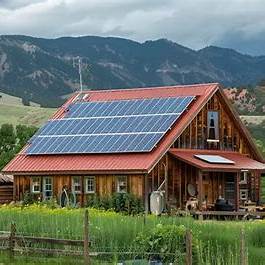
What Does Living Off-Grid Really Mean?
When most people hear “living off-grid,” they picture cabins
in the woods with no electricity or running water. And while that image holds a
bit of truth, the reality is much richer. Living off-grid isn’t just about
disconnecting from public utilities—it’s about creating a lifestyle that
prioritizes independence, resilience, and intentional living.
In Southwestern Colorado, this lifestyle isn’t just a
dream—it’s a practical choice. With over 300 days of sunshine a year, abundant
natural resources, and a landscape that inspires self-reliance, this region is
one of the best places in the U.S. to live off-grid. Whether your goal is a
fully self-sufficient homestead or simply reducing dependence on traditional
systems, Colorado offers the space and resources to make it happen.
Why People Choose to Live Off-Grid
Most people don’t go off-grid for the Instagram-worthy
photos. They do it for peace, privacy, and the freedom to live on their own
terms. Some want to reduce reliance on fragile systems, while others want to
live in closer alignment with values like sustainability, conservation, or
simplicity.
Thanks to modern technology, it’s easier than ever to
combine comfort with independence:
- Solar
energy provides reliable power.
- Wood
stoves, propane appliances, and passive solar design keep homes warm.
- Gravity-fed
spring water, wells, or rainwater collection secure water needs.
- Starlink
and fixed wireless internet make staying connected far less
complicated than in years past.
Instead of “roughing it,” many find off-grid living to be a
thoughtful, balanced way to reconnect with essentials.
The Trade-Offs of Off-Grid Living
Make no mistake—living off-grid requires grit. It’s not as
simple as unplugging from the grid; it’s a hands-on lifestyle that asks for
planning, effort, and resourcefulness.
Here’s what that often looks like:
- Power:
Solar is the go-to, usually with backup batteries or a generator.
- Water:
Wells, cisterns, or natural springs.
- Waste:
Composting toilets or septic systems.
- Heat:
Wood stoves, propane, and passive solar design.
Beyond the physical systems, there’s an emotional element.
Off-grid life can feel wonderfully peaceful—or unexpectedly lonely. Most
off-gridders, however, aren’t hermits; they build intentional communities and
focus on quality over quantity when it comes to relationships.
Who Chooses the Off-Grid Lifestyle?
Off-grid living attracts a wide variety of people,
including:
- Retirees
craving peace and simplicity
- Families
raising children closer to nature
- Veterans
searching for quiet and stability
- Remote
workers who can bring their office anywhere
Some buyers build from scratch, designing their dream
homesteads. Others start small with raw land and add systems over time. The
beauty of this lifestyle is that there’s no single “right way”—you design the
path that works for you.
What to Look for in Off-Grid Properties
Not all land is ideal for off-grid living. If you’re
exploring properties, make sure you evaluate:
- Year-round
sun exposure for solar panels
- Reliable
access (maintained roads or at least seasonal routes)
- Water
rights or proven water sources
- Soil
quality for gardening or livestock
- Zoning
and building regulations that allow alternative systems
Having walked hundreds of parcels in Southwestern Colorado,
I can tell you—choosing the right property makes all the difference. It’s not
just about finding land; it’s about finding land that works with your
lifestyle.
Essential Supplies for Off-Grid Living
If you’re considering this lifestyle, start with the basics:
- Solar
power system (panels, inverter, batteries)
- Wood
stove or propane heater
- Water
filtration and storage setup
- Backup
generator
- Composting
or alternative toilet system
- Tools
for DIY maintenance and repairs
Start small and scale as you go—most off-grid setups evolve
naturally over time as people adapt to the land and their needs.
Is Living Off-Grid Worth It?
At its core, living off-grid in Colorado isn’t about
isolation—it’s about independence. It’s trading convenience for
self-sufficiency, and comfort for resilience. While challenges are real, the
rewards are equally real: freedom, peace, and a lifestyle built around
intention.
If you’re curious about exploring off-grid properties in
Colorado, I’d love to help you understand the options. No pressure—just honest
conversation, insights from experience, and maybe a story or two from folks
who’ve built their dream life off the grid.
Want to explore off-grid land for sale in Southwestern
Colorado?
Start your journey by browsing listings on our website, or
contact me directly at jackie@wapitiranchrealty.com
or (214) 577-5421.